Living Aqua
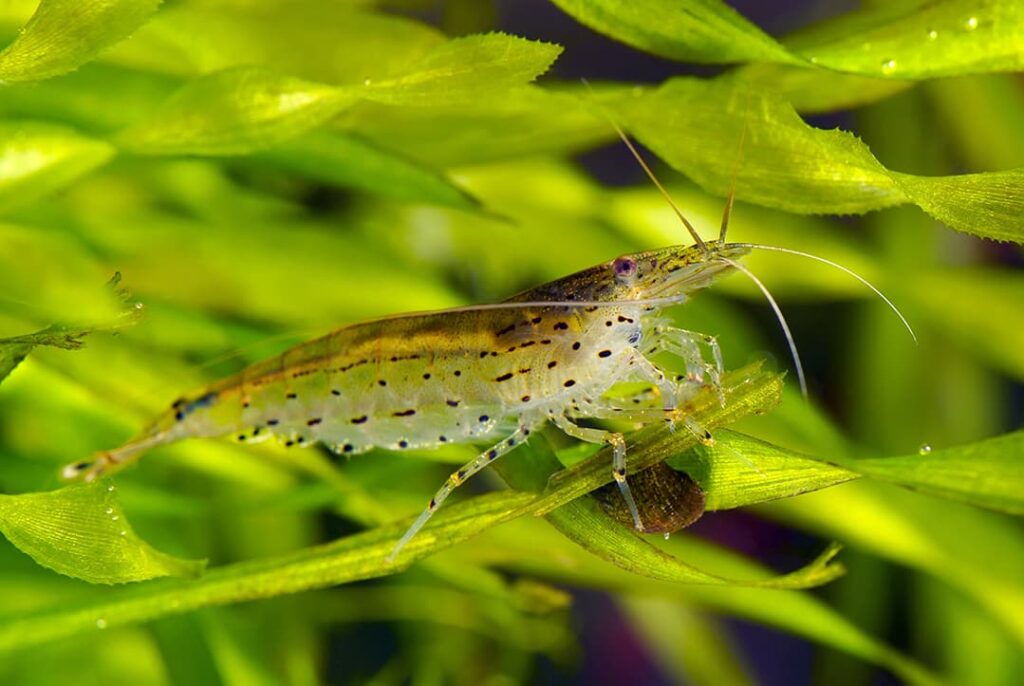
Caridina Multidentata / Japanese Shrimp - Amano Shrimp L/XL
Caridina Multidentata / Japanese Shrimp - Amano Shrimp L/XL
Couldn't load pickup availability
Caridina japonica , also known as the Amano shrimp, is a species of freshwater shrimp widely recognized and appreciated by aquarists due to its effectiveness in cleaning algae and its peaceful behavior. Originating from Japan and parts of East Asia, this species was popularized and introduced in 1983 by the renowned aquarist Takashi Amano.
Natural Habitat
In their natural habitat, Caridina japonica inhabits freshwater rivers and lakes with moderate to strong currents, rich in aquatic vegetation and sandy or fine gravel substrate. These shrimp are found in clean, well-oxygenated waters where they can find an abundance of seaweed and organic debris to feed on.
Aquarium Care
Aquarium Size: An aquarium of at least 40 liters is recommended for a small group of Caridina japonica. Keeping a group of at least 4 to 6 shrimp is ideal to promote natural behavior and reduce stress. Ideally, there should be 1 japonica for every 10 liters of water.
Water Parameters:
- Temperature: 18-28°C
- pH: 6.5-7.5
- Hardness: 6-12 dGH
Water Filtration and Quality:
Good filtration is essential for maintaining water quality. Sponge filters or canister filters are suitable as they provide a moderate current and help remove debris without posing a risk to the shrimp.
Substrate and Decoration:
Use a sandy or fine gravel substrate, and include aquatic plants, rocks, and driftwood to create hiding places and exploration areas. Mosses and fine-leaved plants are particularly appreciated as they retain biofilm, an important food source.
Food:
Caridina japonica is omnivorous and feeds primarily on algae and organic detritus. Supplementing its diet with shrimp-specific feeds, as well as fresh vegetables such as zucchini, spinach, and nori seaweed, is recommended to ensure balanced nutrition.
Compatibility:
These shrimp are peaceful and can be kept with small, non-aggressive fish. Avoid tank mates that are predators or large enough to consider shrimp as food.
Reproduction:
Breeding shrimp in aquariums is challenging because Caridina japonica larvae require brackish water to develop. In a home environment, successful breeding involves transferring the larvae to a brackish water tank, where they go through several stages before becoming juvenile shrimp and being able to be reintroduced into freshwater.
When algae levels are low, they should be fed vegetable-based tablets.
Although they feed on algae, they do not attack plants.
The specimens we sell are approximately 4-6 cm.
