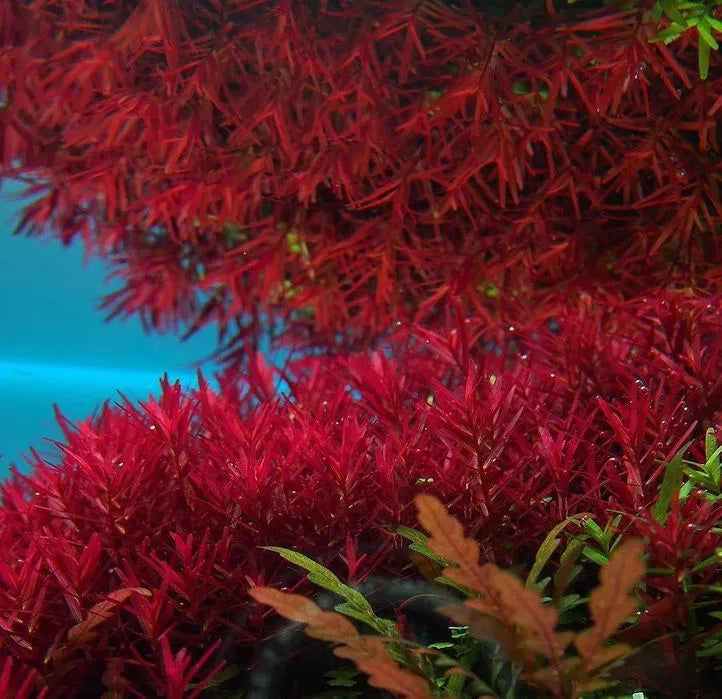
Setting up a planted aquarium is like creating a living work of art . Every element, from the layout to the fish , plays a fundamental role in the health and beauty of the environment.
Choosing aquatic plants is one of the most important steps, as they directly influence the biological and aesthetic balance of the aquarium .
In this guide, we will explore the essential factors for choosing the ideal plants, taking into account light , substrate , CO2 , compatibility with fish , and different layout styles .

1. Understand the Light Requirements for Plants
Light is the basis of photosynthesis, the process by which plants produce energy.
Aquarium plants have different light requirements, and choosing the right species depends on the light intensity in your aquarium.
Low-light plants (Low Tech):-
They are ideal for beginners and aquariums without much technology. Some options include Anubias , Java Moss , and Cryptocoryne . They thrive in environments with moderate light and do not require additional CO2.
-
They require more intense lighting, usually combined with CO2 injection. Hemianthus callitrichoides (Cuba) and Rotala rotundifolia h'ra are examples, offering rapid growth and vibrant colors.
Tip: Invest in quality lighting with a suitable spectrum to promote plant growth and make the colors in your aquarium more vibrant.

2. Choose the Right Substrate
The substrate is the soil for aquatic plants. Some species need nutrient-rich substrates, while others can grow well attached to rocks and driftwood.
-
Fertile substrates : Ideal for plants that feed directly from their roots, such as Echinodorus and Cryptocorynes . A suitable substrate ensures the necessary nutrition for healthy development.
-
Inert substrates : Used mainly with epiphytic plants (which attach themselves to rocks and tree trunks), such as Anubias and Microsorum (Java fern), which obtain their nutrients from the water column.
Tip: Consider adding layers of plant-specific substrates or fertilizer tablets to ensure vigorous growth.


3. CO2: When is it necessary?
Carbon dioxide (CO2) is an essential component for plant growth, especially in aquariums with high light intensity.
In simpler (low-tech) setups, many plants can thrive on naturally available CO2 alone. However, high-tech and densely planted aquariums generally require CO2 injection.
-
Plants that do not need additional CO2 : Java moss , Anubias , Vallisneria .
-
Plants that need CO2 : For species such as Hemianthus callitrichoides (Cuba) and Ludwigia repens , CO2 injection is almost mandatory to ensure healthy and rapid growth.
Tip: If you're willing to invest in CO2, you can create a dense aquarium with more demanding plants. However, for low-tech setups, choose low-demand plants.

4. Compatibility with Pisces
The choice of plants should also take into account the inhabitants of the aquarium.
Some fish interact more with plants, and may even damage them. Others, however, depend on plants as hiding places or breeding areas.
Fish that pair well with delicate plants :
-
Tetras, such as the Neon Tetra and Cardinal Tetra , as well as Rasboras, are species that tend to respect plants and make excellent companions in densely planted aquariums.
-
Species such as cichlids , goldfish , and loaches may dig in the substrate or chew on leaves. For these fish, hardy plants like Anubias and Microsorum are the best choices.
Tip: If you have fish that dig or chew on plants, opt for more robust plant species or those attached to logs and rocks.


5. Choose the Layout Style for Your Aquarium
The layout is what transforms your aquarium into a true work of art. There are different layout styles, each with its own specific characteristics and ideal ground cover plants.
Examples:
Nature Aquarium (Iwagumi Style) :-
A minimalist and harmonious layout, focused on rocks and ground cover plants. Plants such as Hemianthus callitrichoides and Glossostigma elatinoides are popular for covering the substrate and creating a green carpet. Ideal for aquariums with CO2 injection and intense light.
-
A denser style, with plants of different colors and sizes arranged in layers. Here, plants like Rotala , Ludwigia , and Echinodorus provide a lush visual. It requires careful pruning and maintenance to keep the layout balanced.
-
This style aims to recreate an underwater forest, with plants growing more freely and naturally. Vallisneria , Cryptocoryne, and mosses are great options, creating a wild and welcoming environment.
Tip: The layout you choose will also influence your choice of plants, so think about the style that best suits your vision and experience level.


Choosing the right plants for your aquarium involves a combination of factors, from lighting to compatibility with the fish and the style of the layout . Taking each of these aspects into consideration ensures a balanced, healthy, and visually stunning aquarium. Whether you opt for a low-tech aquarium with low-maintenance plants or a lush, high-tech one full of color and life, the important thing is to maintain a stable environment that enhances both the plants and the fish.
Now, with these tips, you're ready to set up the planted aquarium of your dreams!


